
CBI makes the following representative available for speaking engagements at conferences, events, and meetings:
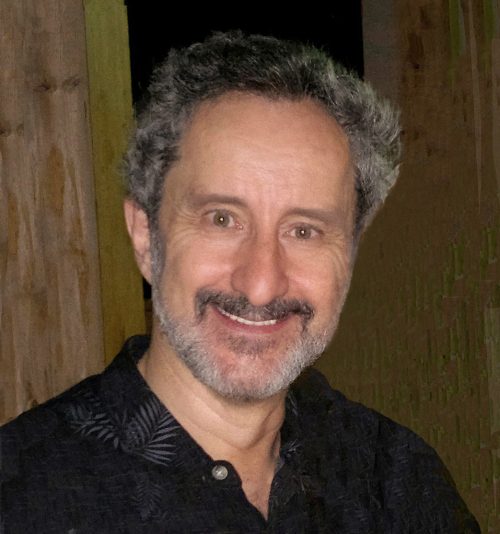
Steve Olweean
Founding Director and Coordinator of Programs
Steve Olweean speaks on a variety of related topics, including concepts of “the Other;“ social/psychological dynamics of fear and fear-based belief systems, social paranoia, polarization, negative stereotypes and the creation of enemy images, victim-perpetrator dynamics, communal and transgenerational trauma, social healing, conflict transformation, coalition building, and local capacity building at both the grass roots and social institutional level.
He also addresses activism in Humanistic Psychology through putting humanistic principles to work in the world improving psycho-social conditions, and has published on the above speaking topics.
He is a therapist with a graduate degree in Clinical Psychology from Western Michigan University and 40+ years of experience in community-based mental health treatment, training, program development, administration, and advocacy to marginalized, at-risk, and under-served populations. He has worked in outpatient, inpatient, day treatment, outreach and crisis intervention to high risk populations in both public and private practice settings; and has held positions as clinical director, clinical supervisor, and senior clinician. He has been a field supervisor for graduate departments of psychology and social work, and is a Clinical Faculty Member with Michigan State University Department of Psychiatry. His principal areas of treatment are healing and recovery from trauma and abuse, the formation and healing of negative belief systems, and victim/perpetrator dynamics.
He specializes in addressing communal and transgenerational trauma; local capacity building, empowerment, and resilience building for marginalized and at-risk populations; coalition building, and in designing emergency human service training and treatment programs for societies where there is a large population in crisis, where the service infrastructure is seriously underdeveloped, compromised by catastrophe and upheaval, or nonexistent, and where skill and hard resources are scarce.
For 15 years was coordinator and developer of the Soviet-American Professional Exchange, established in the early 1980′s as one of the 1st grassroots professional human service exchanges with the then Soviet Union, promoting bridge building through citizen diplomacy and providing practical training in human services to Soviet and post-Soviet colleagues.
Immediately following the 1st Gulf War he assisted Kuwaiti relief organizations in linking with professional mental health treatment services, training, and logistical support, and provided cultural orientation and consultation to visiting trauma therapists from the US and Europe traveling to Kuwait to ensure cultural sensitivity, receptiveness to services by trauma victims, and improved treatment effectiveness.
Particularly since 9-11 he has spoken and been interviewed frequently both in and outside the US to increase understanding among the public of Middle Eastern Culture, social/psychological dynamics of fear and communal paranoia, polarization and the formation of enemy images, and to promote direct, cross-cultural dialogue as an antidote to the toxic energy of fear. He also addresses activism in Humanistic Psychology through putting humanistic principles to work in the world improving psycho-social conditions, and has published on the above speaking topics.
Near the end of the Balkan Wars Olweean developed the integrated Catastrophic Trauma Recovery (CTR) treatment and training model for treating large civilian populations traumatized by war and violence in societies in regions of conflict and where resources are scarce, as described in a chapter dedicated to it, “When Society Is The Victim,” in an edited book by Dr. Stanley Krippner and Dr. Teresa McIntyre on: “ The Psychological Impact of War Trauma on Civilian Populations.”
The CTR model is the basis for the comprehensive Social Health Care (SHC) training and treatment program CBI developed to train hundreds of local medical students, professionals, NGO staff, and members of refugee communities in Jordan in trauma informed treatment skills to assist refugee and at-risk populations in the region, and to promote development of the local human service and academic system. The program is described in a contributed chapter titled, “Whole Person Approaches To Healing Communal Trauma,“ to an edited book by Serlin, Krippner, and Rockefeller on: “Integrated Care of the Traumatized: A Whole-Person Approach.”
He co-founded and co-edits the International Journal of Communal and Transgenerational Trauma, a peer-reviewed journal reflecting a whole-person, cross-cultural perspective and exploration of the psycho-emotional trauma experience, from the individual to the communal.
In 2025 he organized two invitational working conferences specifically for international and local disaster health care NGOs currently providing critical disaster health care services to victims of war, violence, and displacement in Palestine, Lebanon, and Syria.
The purpose was to address the catastrophic and rapidly growing humanitarian need in the face of escalating war and many governmental and large intrnational systems pulling back support from the region, and to explore the necessity and benefits of strategic collaboration within the NGO community to provide more comprehensive life-saving mental health and medical services that reach more people in need, faster, and more sustainably. As an immediate outcome of these conferences he coordinated the creation of the “Solidarity Coalition for Healing and Resilience,” currently made up of more than 2 dozen health care NGOs.
As CBI’s director, he has organized more than 50 international practical professional conferences in various countries focused on disaster health care, communal and transgenerational trauma, conflict transformation, the experience of the Other, and humanitarian aid coalition building.
Current writing projects are: “Making Sense of The World and Our Place In It: Perception, Meaning-making, Needs, and the Evolution of Personal Beliefs,” and “Engaging The Other: The Power of Compassion.” The impetus for the writing on Engaging The Other and on the creation of the Annual International Conference on “Engaging The Other” is a chapter he contributed immediately after 9-11, titled “Psychological Concepts of The Other: Embracing the Compass of the Self,” to an edited book by Dr. Chris Stout on: “The Psychology of Terrorism.”
He has been an activist in the human rights and peace movement since his university years, and this commitment and experience continue to inform his work today.
- Founding Director and Coordinator of programs for Common Bond Institute, as described in a chapter dedicated to Olweean and CBI in “The New Humanitarians,“ by Dr. Chris Stout.
- Founding President of the International Humanistic Psychology Association (IHPA).
- Founding Co-Editor of International Journal of Communal and Transgenerational Trauma
- Recipient of the 2011 Charlotte and Karl Bühler Award from the American Psychological Association for outstanding and lasting contribution to Humanistic Psychology internationally.
- Recipient of the annual Hearthminder Award from the Association for Humanistic Psychology.
Contact Information:
Steve Olweean
E-mail: SOlweean@aol.com
Cell/WhatsApp: 1-269-501-5453